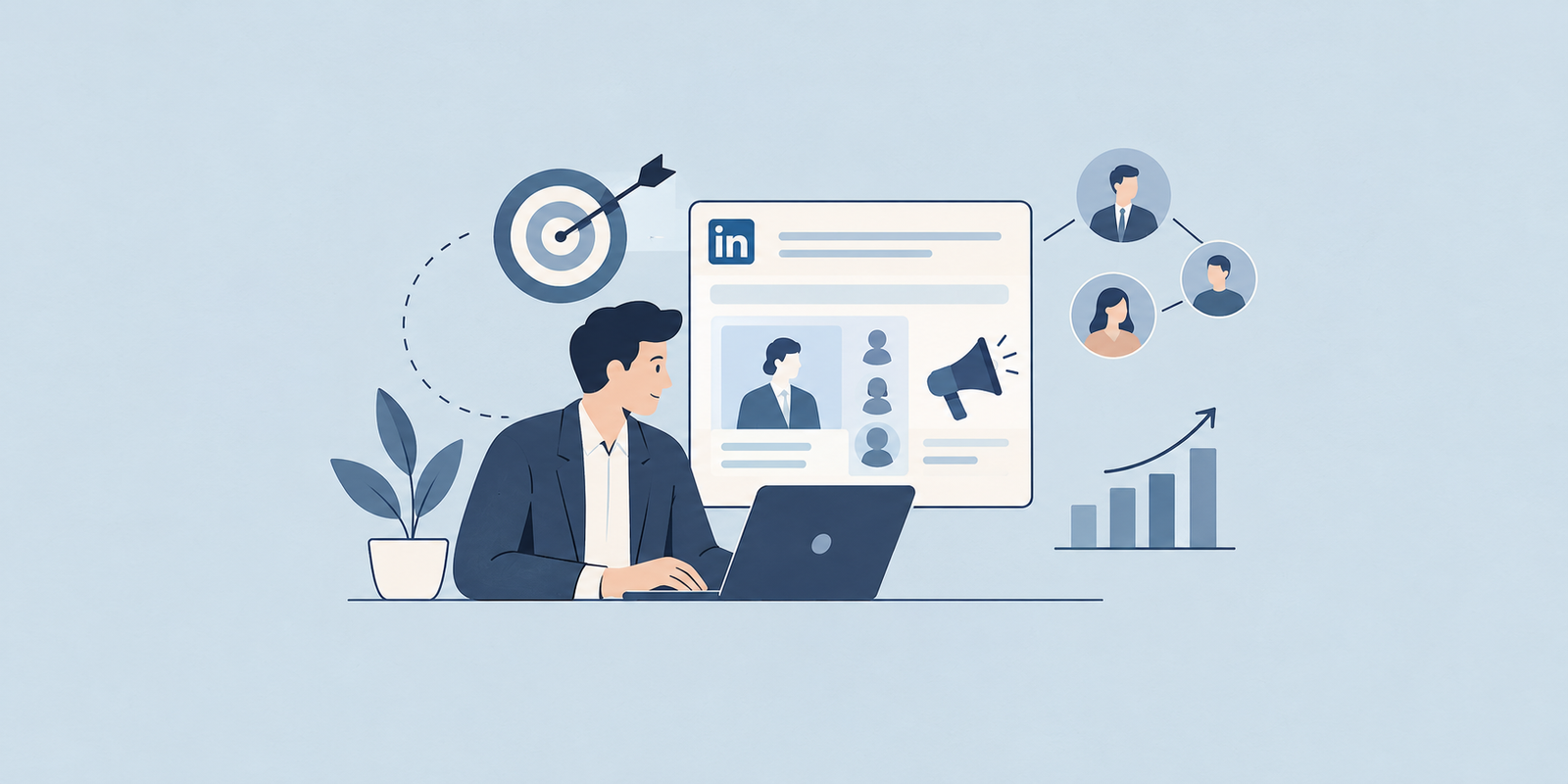
How LinkedIn Ads Drive Lead Generation Through Smarter Social Media Marketing
- By Admin
- |
- 0 Comments
Introduction
LinkedIn Ads has become an important part of digital advertising, especially for businesses that want to reach professionals and decision-makers. Unlike many consumer platforms, LinkedIn allows advertisers to use information such as job title, company, industry, seniority, skills, and company size for audience targeting. This makes the platform particularly valuable for B2B brands, SaaS companies, recruiters, consultants, and professional service providers.

Why LinkedIn Ads Matter for Businesses
The biggest advantage is connecting businesses with relevant professional audiences. A company selling enterprise software, for example, can target marketing managers, HR leaders, founders, or specific organizations instead of relying only on broad demographic targeting. This precision can improve relevance and reach people more likely to influence a purchase.
Campaigns can support several stages of the customer journey. Businesses can use awareness campaigns to introduce their brand, consideration campaigns to drive website visits or engagement, and conversion-focused campaigns to generate leads or other valuable actions. This makes paid LinkedIn advertising useful for short-term goals and customer acquisition.
LinkedIn Lead Generation
One of the strongest use cases is LinkedIn lead generation. Businesses can promote webinars, ebooks, consultations, product demos, reports, and other valuable offers to attract potential customers. LinkedIn Lead Gen Forms can reduce friction because users can submit their information without completing a traditional form.
For B2B businesses, LinkedIn lead generation can be particularly useful when products have high prices or longer buying cycles. A strong LinkedIn lead generation strategy should also prioritize lead quality, qualified opportunities, sales conversations, and revenue rather than total lead volume.
How LinkedIn Lead Generation Supports Business Growth
Businesses can use generated leads to build sales pipelines, nurture prospects, and identify potential customers who show meaningful interest. This becomes especially valuable when marketing and sales teams work together to qualify prospects and measure business outcomes.
Major LinkedIn Ads Formats
LinkedIn Ads offers different formats for different marketing objectives. Sponsored Content appears in the LinkedIn feed and can include single-image, video, carousel, document, event, and thought leader ads. Businesses can also use Message Ads and Conversation Ads to communicate with prospects through LinkedIn messaging. Text Ads and Dynamic Ads provide additional options for specific campaign requirements.
Choosing the Right LinkedIn Ad Format
Choosing the right format depends on the audience, offer, funnel stage, and objective. A video can create awareness, a document ad can educate prospects, and a lead-generation campaign can capture contact details.
LinkedIn Marketing and Audience Targeting
Successful LinkedIn marketing starts with understanding the ideal customer profile. Advertisers should identify who makes the buying decision, what industry they work in, what company size they belong to, and what professional characteristics describe the audience.
LinkedIn Ads Audience Targeting
LinkedIn Ads targeting can be built using criteria such as location, company, job title, job function, seniority, industry, skills, and interests. Advertisers can also create matched audiences for website retargeting, contact targeting, and account-based marketing campaigns. Strong targeting improves relevance, but overly narrow audiences can limit scale, so marketers should balance precision with sufficient reach.
Integrating LinkedIn Ads With Social Media Marketing
LinkedIn works best when it is part of a broader social media marketing strategy rather than being treated as an isolated advertising channel. A business can use organic LinkedIn content to establish credibility, then use paid campaigns to distribute important content to a larger or more specific audience.
Using Organic Content With Paid Campaigns
For example, a company may publish educational posts organically, promote strong content, retarget engaged visitors, and finally use lead-generation campaigns to capture prospects. This creates multiple touchpoints and can strengthen brand awareness and trust.
LinkedIn Ads Cost, Measurement, and Optimization

LinkedIn Ads can deliver professional reach. LinkedIn Ads can be more expensive than some other advertising platforms because businesses are often competing for valuable professional audiences. Costs depend on audience size, competition, bidding strategy, objective, creative quality, and market.
Measuring LinkedIn Ads Performance
Businesses should monitor impressions, clicks, click-through rate, leads, conversions, cost per lead, and conversion rate. Conversion tracking and LinkedIn's Insight Tag can help marketers understand what happens after users interact with an ad.
Optimizing LinkedIn Marketing Campaigns
Effective LinkedIn marketing requires continuous optimization. Marketers should test different headlines, creative formats, offers, audiences, landing pages, and calls to action. A campaign with a high click-through rate but poor conversion results may indicate a problem with the offer or landing-page experience.
Best Practices for LinkedIn Ads

Define the Campaign Objective
A successful campaign begins with a clear business objective. The advertiser should define the target audience, select an appropriate offer, create relevant creative, and make the call to action easy to understand.
Optimize the Landing Page
Landing pages should match the promise made in the advertisement and be optimized for conversions.
Connect Marketing With Sales
Businesses should also connect advertising efforts with their CRM and sales process. This allows marketing teams to understand which leads become qualified opportunities and customers.
Conclusion
LinkedIn Ads is a powerful option for businesses that need professional audience targeting and measurable B2B growth. Its combination of precise targeting, multiple advertising formats, lead-generation capabilities, and conversion measurement makes it useful across different stages of the customer journey. When integrated with LinkedIn marketing and a wider social media marketing strategy, it can help businesses attract relevant audiences, generate qualified leads, build relationships, and support revenue growth.
- Digital marketing
- LinkedIn Ads, LinkedIn Marketing, Lead Generation